Cut once. kept forever.


Rare Costa Rican hardwood, made one-of-one in Warner, Alberta.

Scroll to open the archive
The Tree

Every piece starts as one tree. No two are alike.

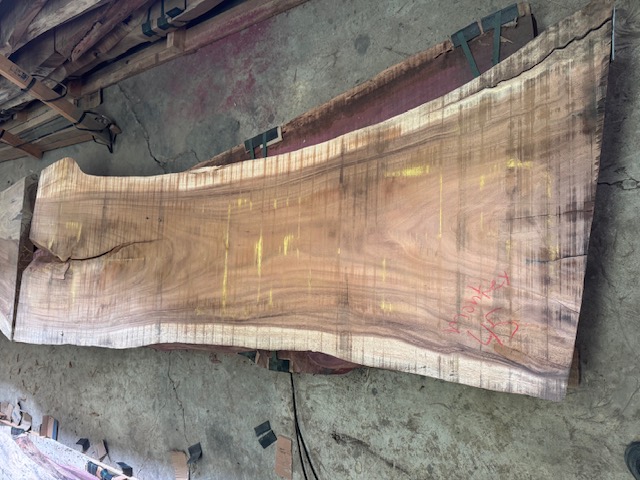
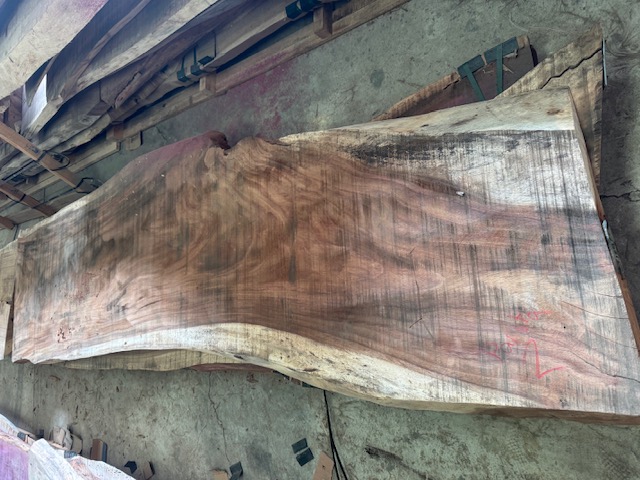
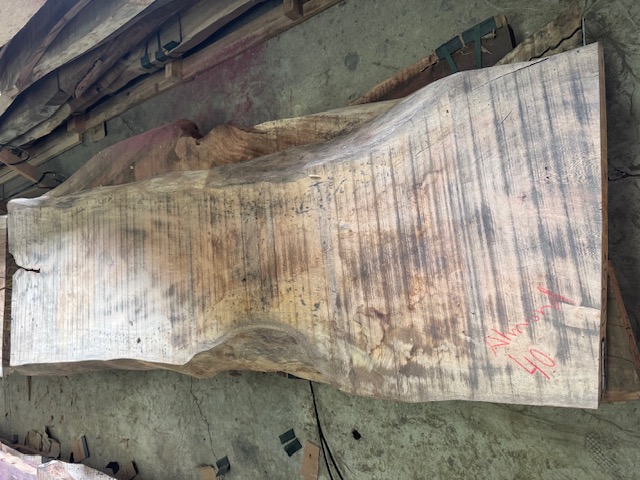
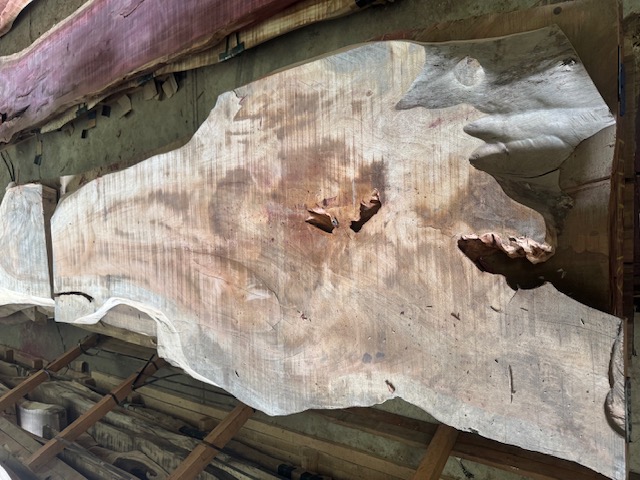
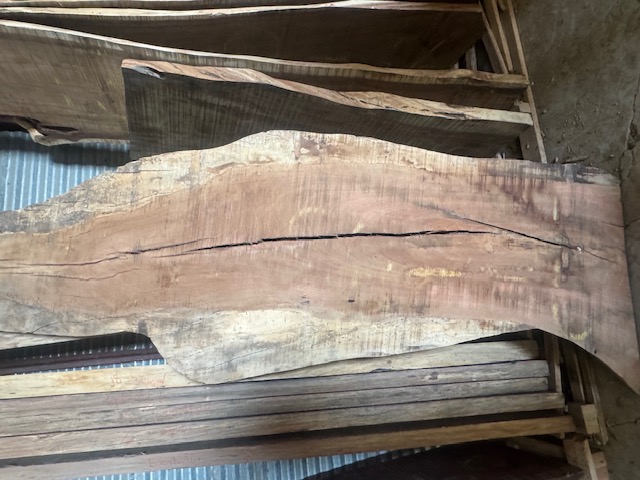
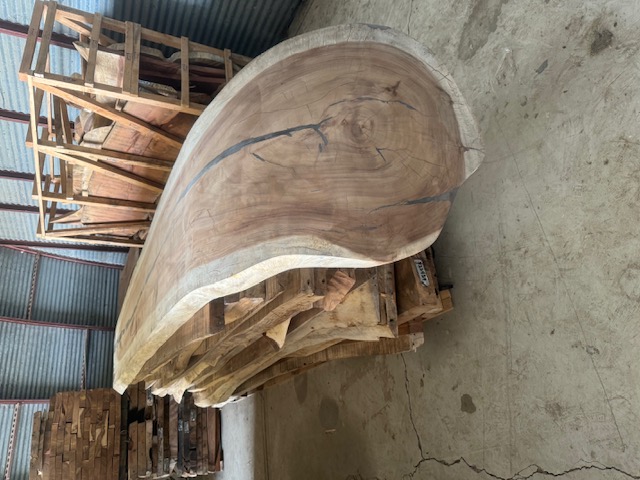
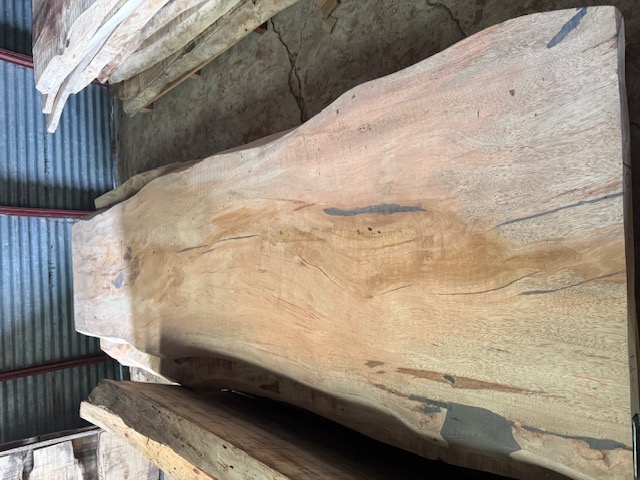
That tree grew in a Costa Rican rainforest. The live edge keeps its real shape — every curve and knot stays exactly where it grew. And the grain is like a fingerprint: it can never be repeated.

The Journey

One container
at a time.

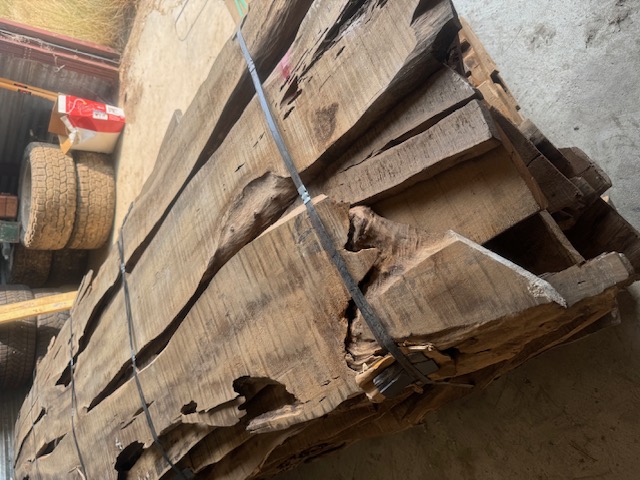
Each forty-foot container carries the wood 6,000 km, from Costa Rica to a shop in Warner, Alberta. Every slab inside is one of a kind — once it becomes a piece, there will never be another like it.

40 ft
One container
6,000 km
Costa Rica to the prairie
1 of 1
Every finished piece
The Species

Species that don't grow here.

Thirteen species that don't grow anywhere near here. Open a specimen to meet it.

  1. Enterolobium cyclocarpum

    Broad, sweeping grain that is often interlocked, with a coarse texture and honey-to-walnut colour. A surprisingly light wood for its size and easy to work — famous for yielding enormous single slabs.

  2. Samanea saman

    Golden-brown heartwood with darker streaks, mostly straight grain, a medium-to-coarse texture and a gentle natural luster. Moderately heavy, easy to work, and it finishes beautifully.

  3. Brosimum guianense

    Named for its snakeskin figure — one of the rarest and most striking woods in the world. Extremely dense and heavy, with a fine texture that polishes to a glass-like finish. Kept for the small pieces that earn it.

  4. Peltogyne purpurea

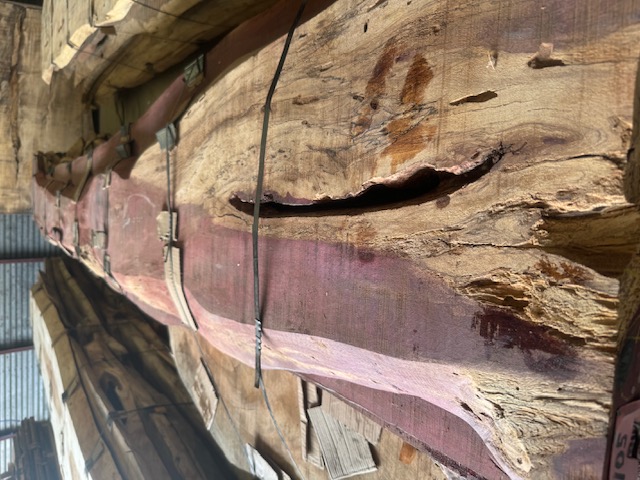
    Cuts brown, then turns deep violet as light reaches it — a living colour no stain can copy. Straight grain, medium texture, very hard and very dense. It finishes smooth and holds its colour for decades indoors.

  5. Hymenaea courbaril

    Salmon-red to reddish brown, darkening richly with age, with interlocked grain and a medium-to-coarse texture. One of the hardest woods in the collection — heavy, stiff, and built for generations of daily use.

  6. Anacardium excelsum

    Warm golden brown with occasional darker streaks, a medium-to-coarse texture, and grain that often interlocks. Moderate in weight, easy to work, and large enough for generous table slabs.

  7. Tectona grandis

    The benchmark for durability. Golden brown and straight-grained, with a coarse texture and a naturally oily feel that resists water and weather on its own. Moderately heavy and a pleasure to finish.

  8. Tamarind

    A striking two-tone wood: pale cream sapwood around a dark reddish-brown heart. Dense, hard and heavy, with a fine texture that turns and polishes beautifully.

  9. Terminalia catappa

    Warm reddish tones with a medium-to-coarse texture and grain that shifts from straight to irregular, catching the light as you move around it. Moderate in weight and friendly to work.

  10. Eucalyptus spp.

    Wildly variable — pale straw to deep red-brown, often streaked, sometimes burled. Typically interlocked grain with a medium-to-coarse texture and solid density. No two boards read the same.

  11. Hura crepitans

    Pale cream to soft yellow with a clean, quiet grain and a fine, even texture. Light in weight and easy to work — a calm counterpoint to the darker, heavier species in the container.

  12. Central American hardwood

    Straight or gently interlocked grain, medium texture, and a soft natural luster — little figure, but a genuinely handsome board. A heavy, high-density hardwood that still works easily: it saws cleanly and polishes to a fine finish.

  13. Locally, sahinillo

    A pale, olive-toned wood with a tight, fine grain — subtle and refined up close.

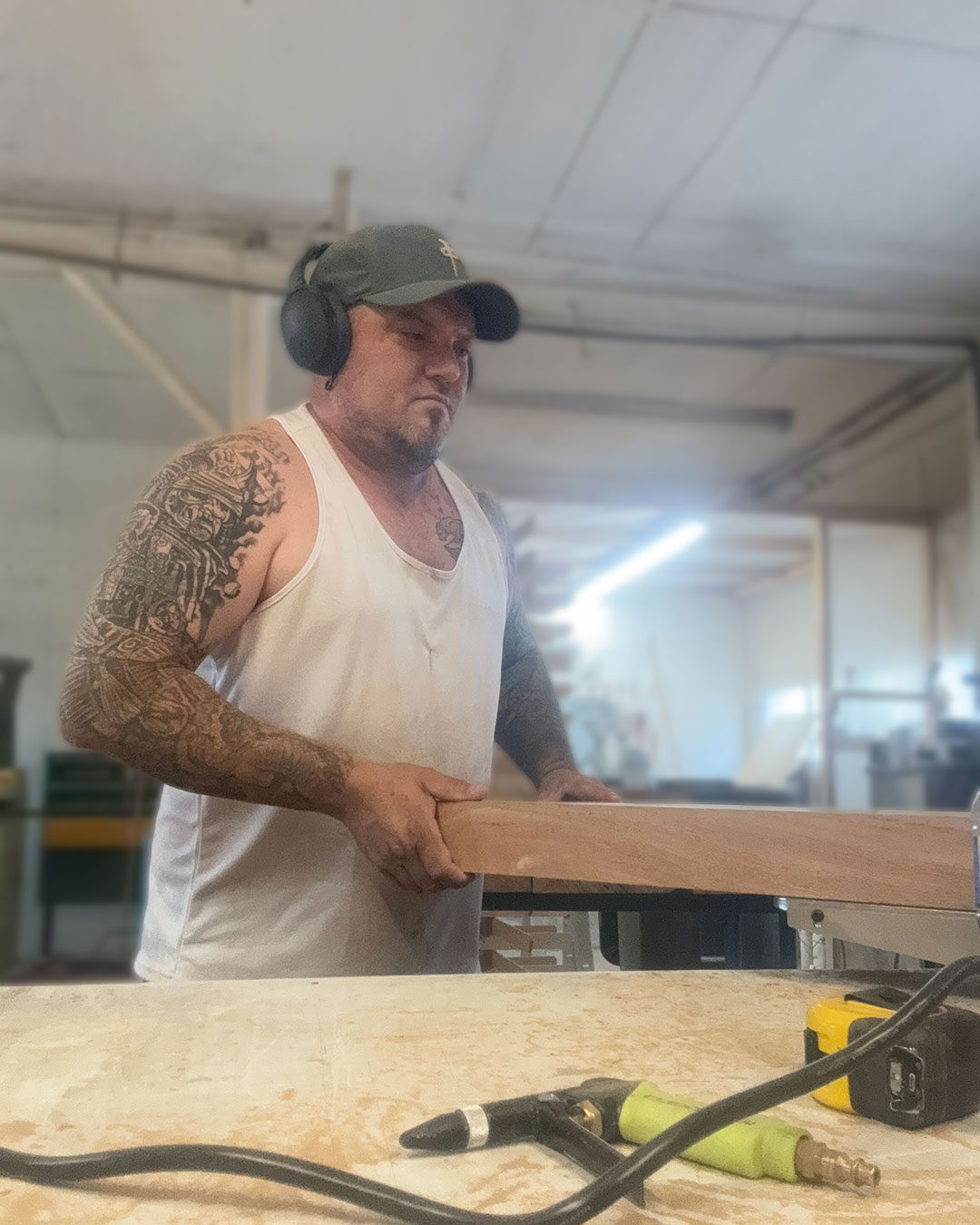
Earl Ackerson, the maker behind Lost Species — carpenter and live-edge artist in Warner, Alberta
The Maker

Twenty-seven years
in the trade.

Earl has worked wood since he was seventeen. Nearly three decades of carpentry — the exacting, build-it-right kind — taught him how timber actually behaves: how it moves, how it finishes, how to read a board before the first cut.

Lost Species is where that trade becomes art. A slab is chosen for what it already is, then worked by hand — patiently, start to finish, in Warner — until it becomes the one thing it was meant to be.

Earl Ackerson· Maker & founder, Lost Species
The Work

A small number of exceptional pieces.

Tables, wall works, architectural commissions. Each named, each one-of-one.

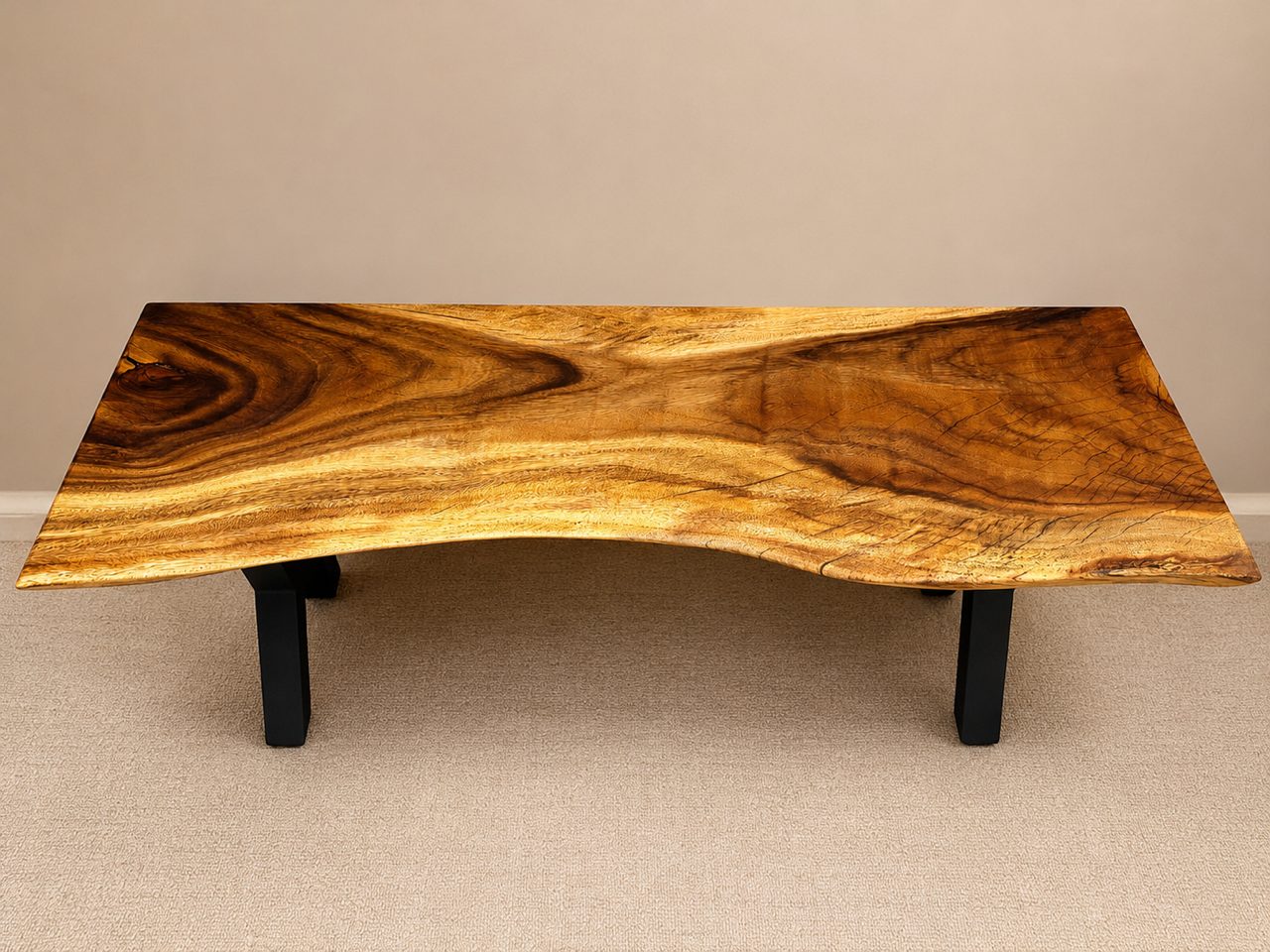
Live-edge tropical hardwood coffee table with a single golden slab top and black steel legs, by Lost Species
The Golden Table
Parota · steel base
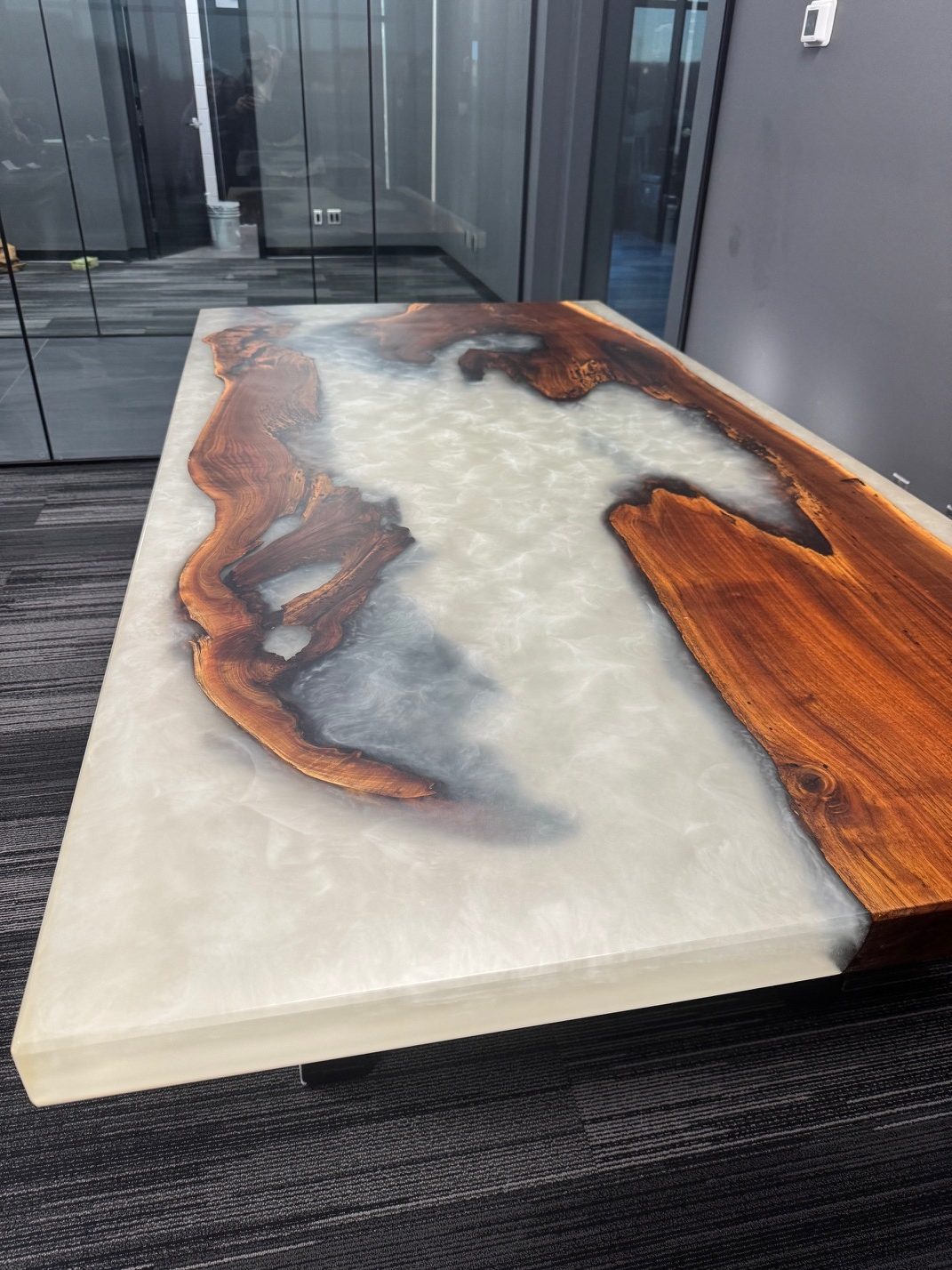
Live-edge dining table with pearl-white epoxy resin and walnut-toned hardwood, by Lost Species
Coastline
Hardwood · pearl resin
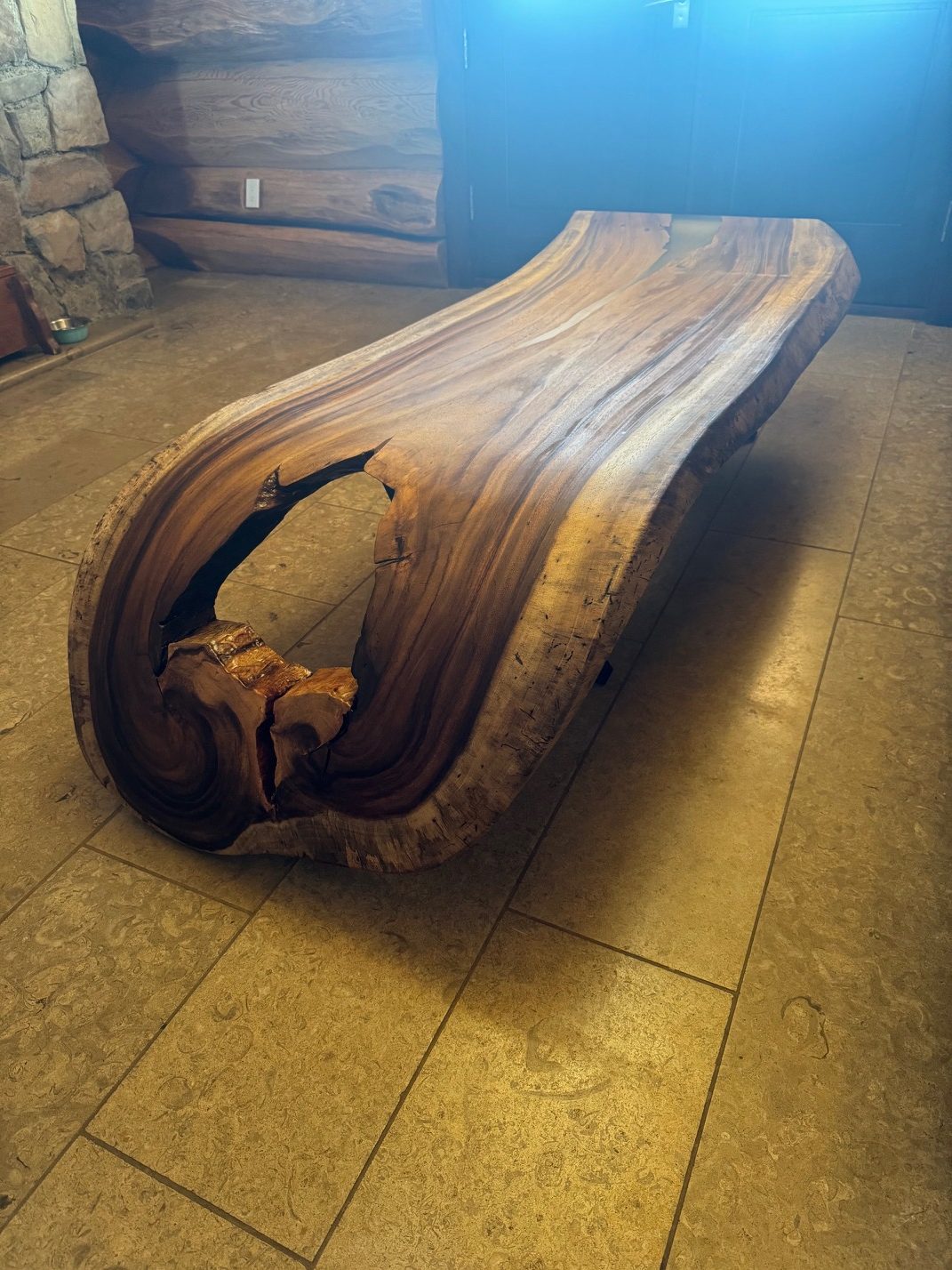
Sculptural live-edge monkey pod bench with a natural curl, by Lost Species
The Curl
Monkey pod · sculptural
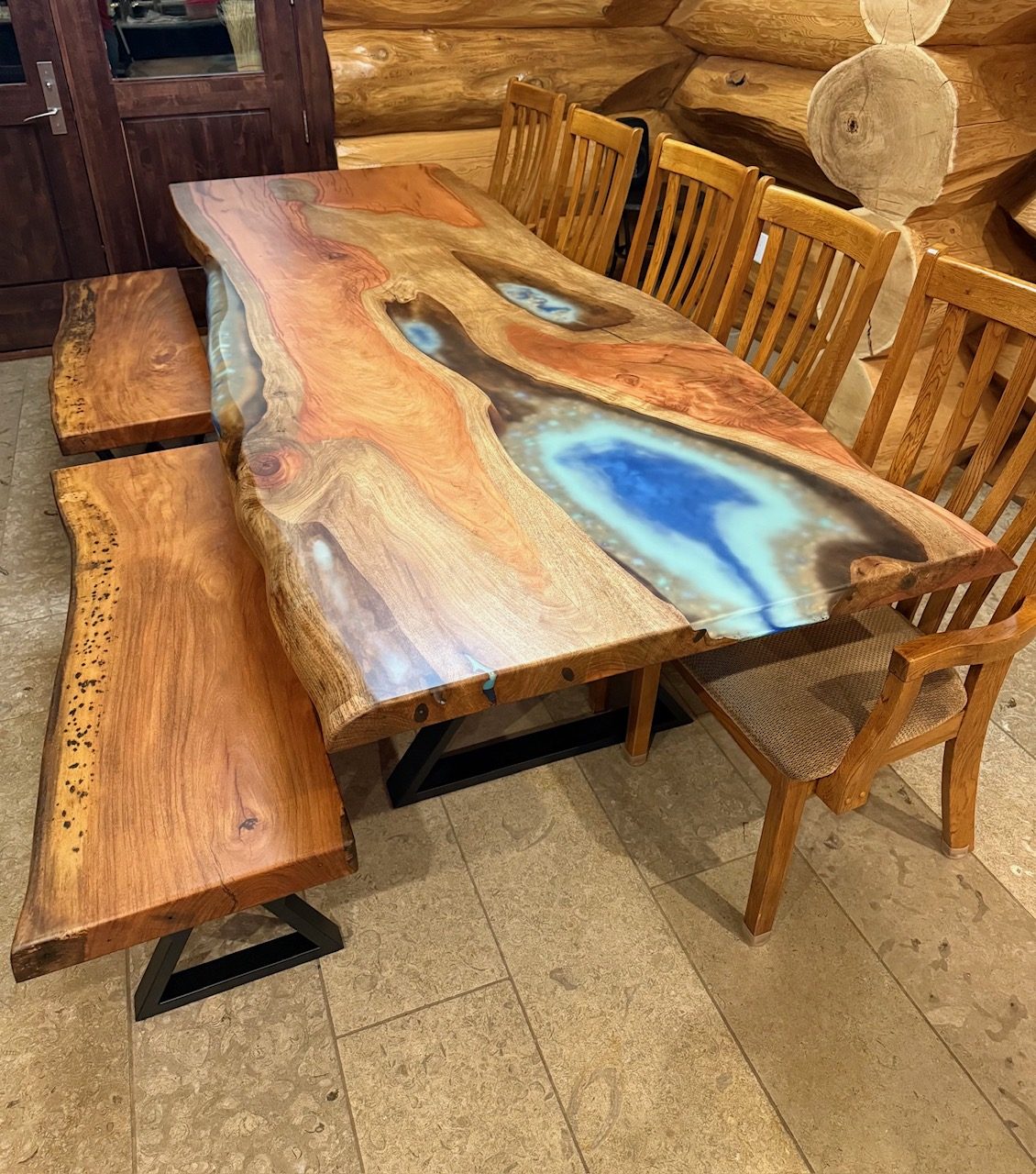
Live-edge dining table with blue-and-white epoxy river and matching benches, by Lost Species
Blue Geode
Epoxy river · dining set
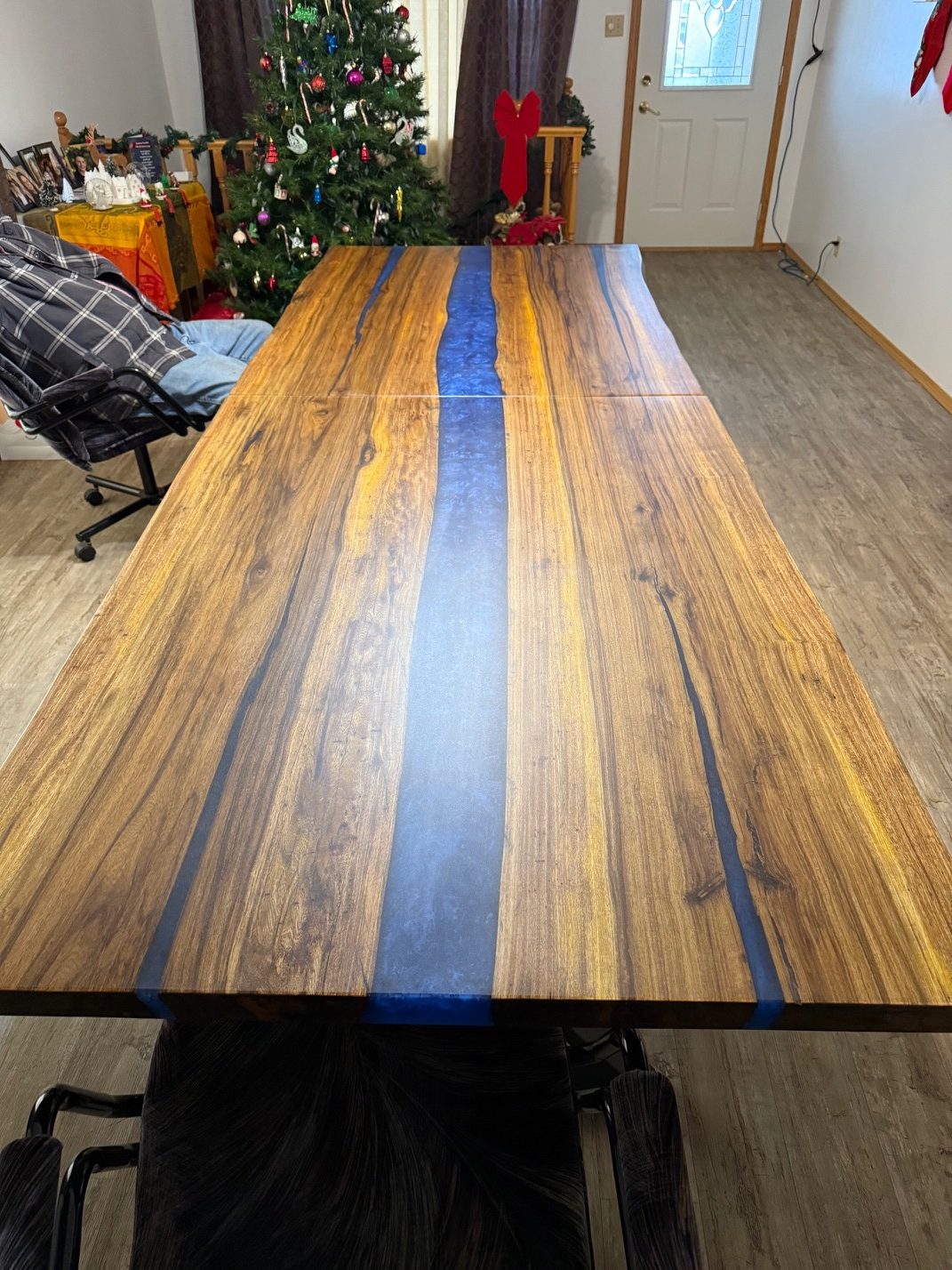
Live-edge dining table with a blue epoxy river down the centre, by Lost Species
Blue River
Epoxy river · dining table
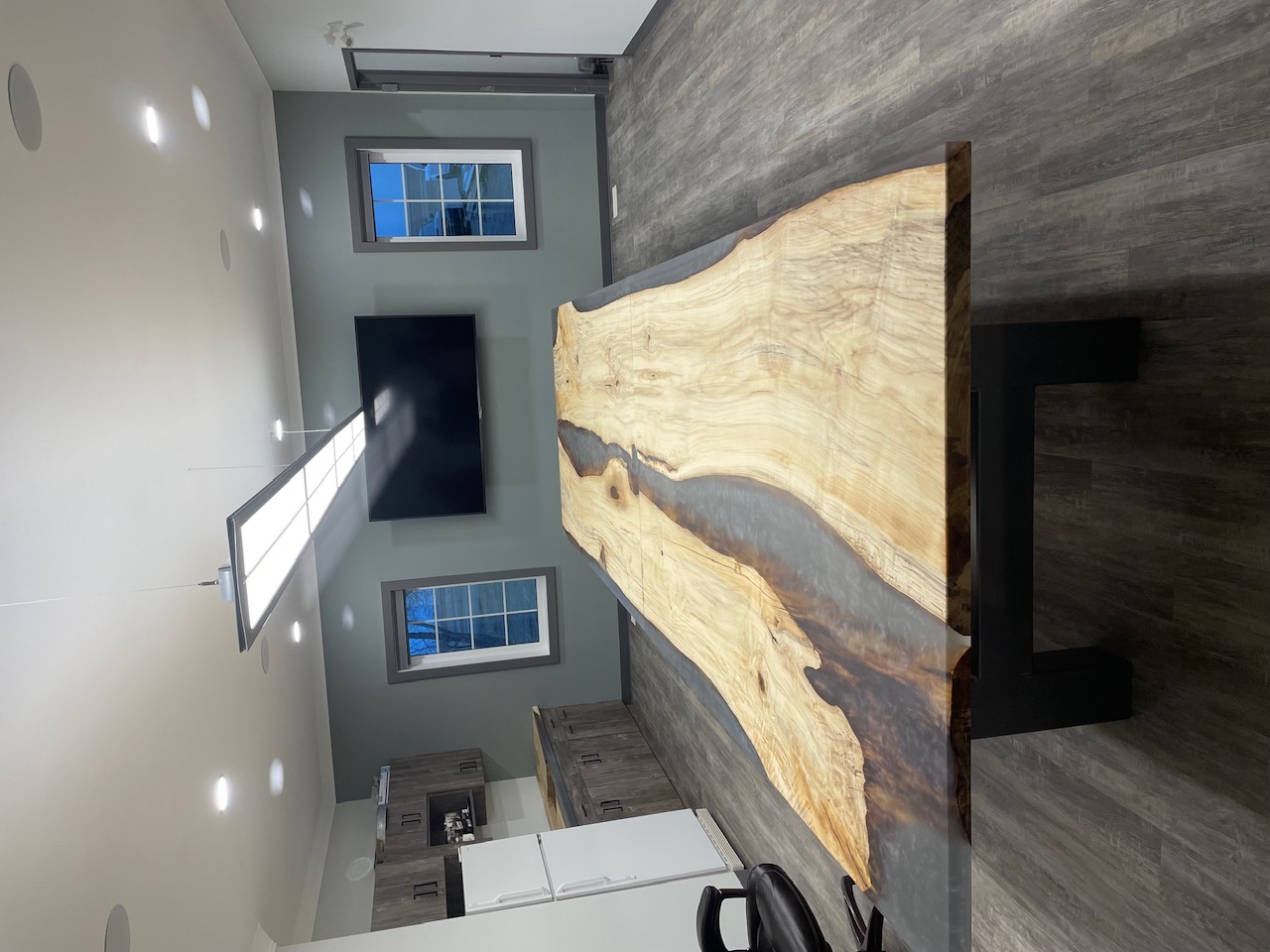
Large live-edge boardroom table in pale hardwood with a dark smoke-grey epoxy river, by Lost Species, Warner Alberta
Smoke River
Pale hardwood · smoke epoxy
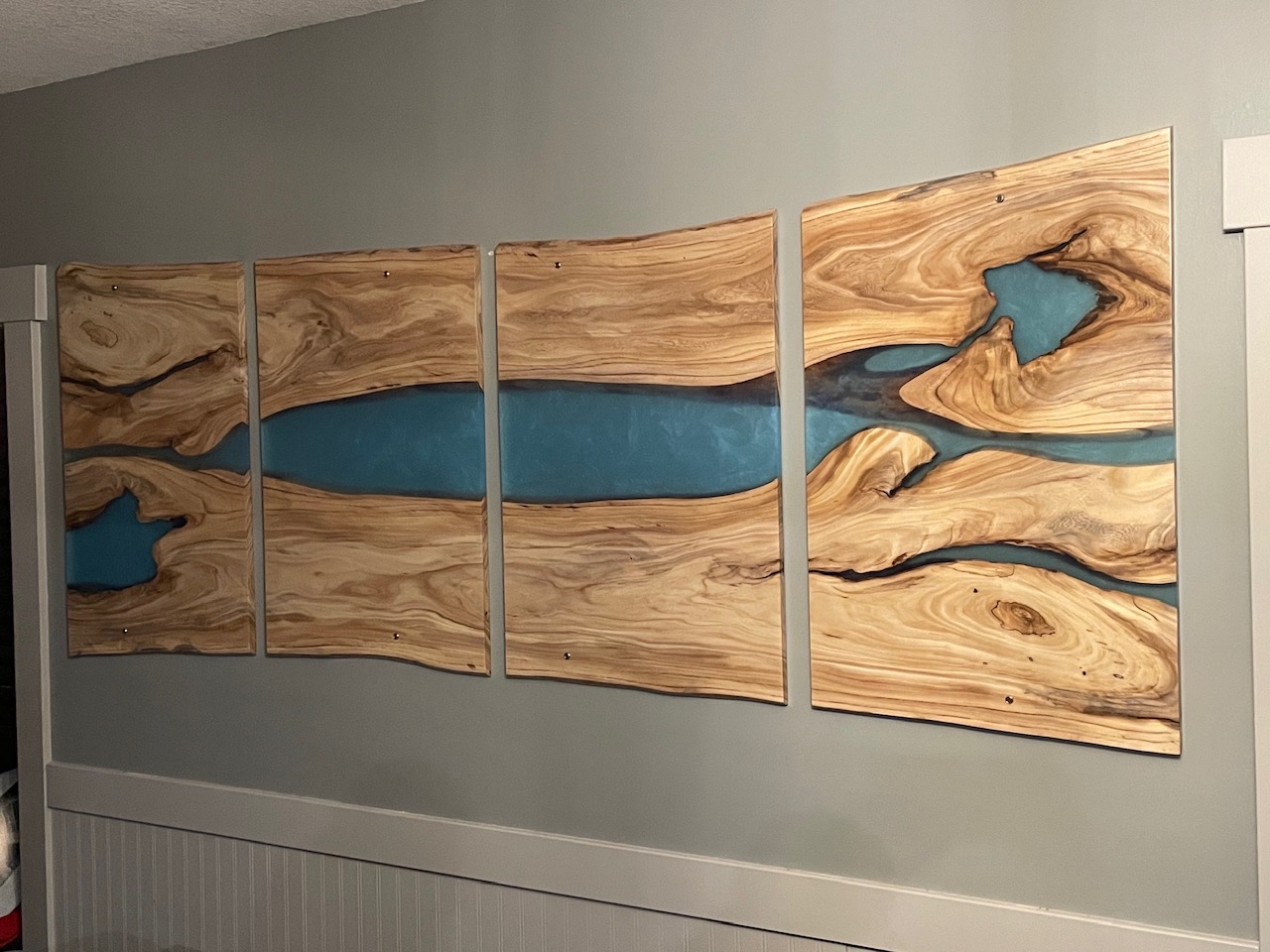
Four-panel live-edge wall installation with a continuous teal epoxy river flowing across the panels, by Lost Species
River Run
Epoxy river · wall installation
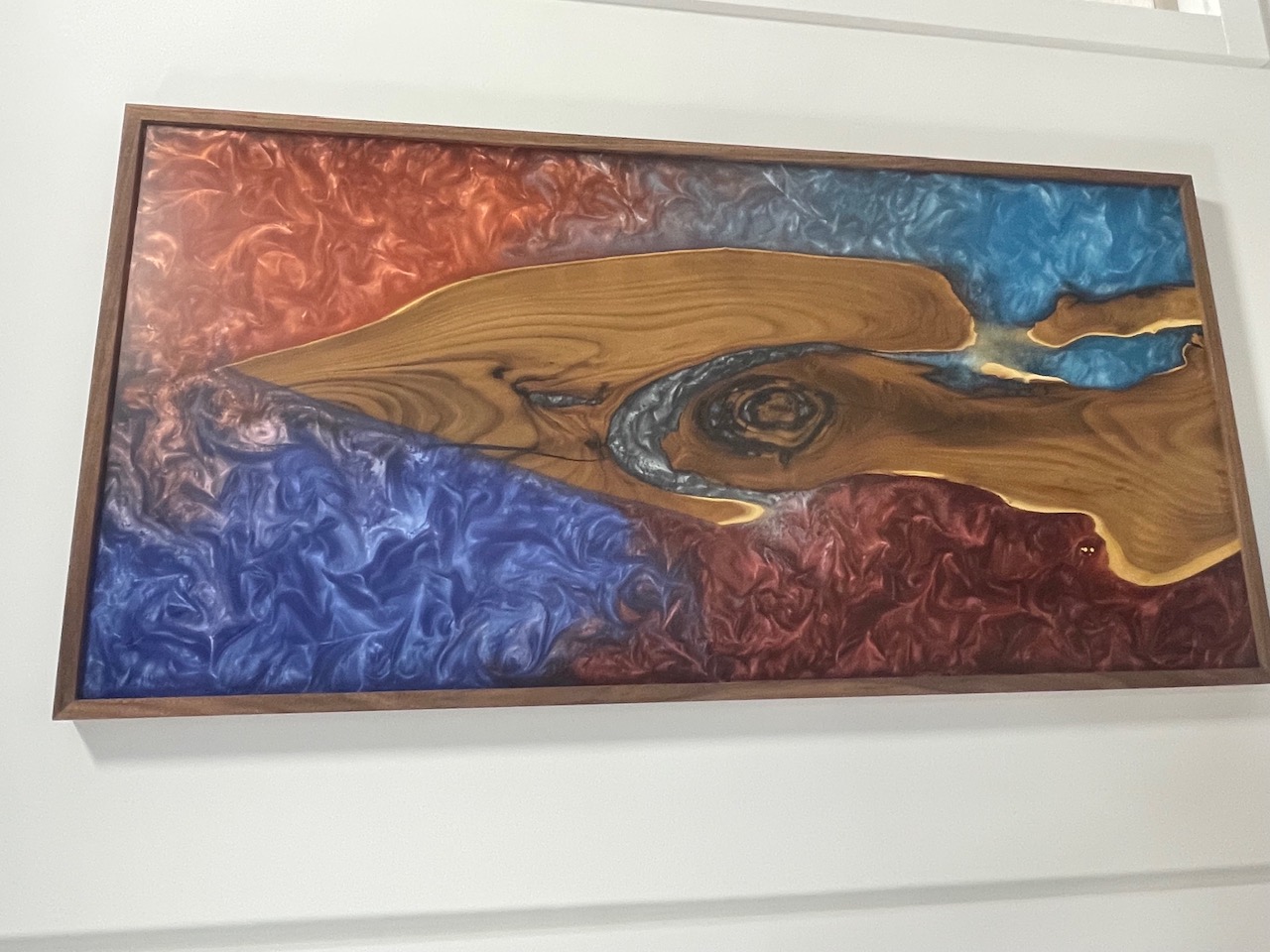
Framed live-edge epoxy wall art with copper-red and deep blue marbled resin around a walnut-toned slab, by Lost Species
Ember & Tide
Epoxy art · framed wall work
The Process

From slab to centrepiece.

01
Choose the slab
We start at the wood. You choose a board from the archive — species, figure, size — and the piece is built around what's already in it.
02
Design together
Form, base, dimensions and finish, resolved for your space. For trade projects, we work from your drawings and specifications.
03
Hand-finished
Cut, joined and finished by hand in the Warner shop — the slow part, and the part that can't be rushed.
04
Delivered & installed
Placed in the room, or built in on site for architectural work. One piece, once — and it stays.
For the Trade

Designers, builders & architects.

Lost Species works directly with the trade to specify one-of-one pieces into residential and commercial projects — from a single statement table to built-in, architectural live-edge work.

  • Bespoke pieces specified to your drawings
  • Architectural & built-in work, including staircases
  • Rare species your clients can't find elsewhere
  • One point of contact, from slab to install
Enquire for the trade →
The Commission

Commission a piece.

Every piece begins with a conversation. Tell Earl about your space and what you have in mind — the wood, the form, and what's possible come next.

Studio
Warner · Alberta

Thank you — your enquiry is on its way. Earl will be in touch soon.